

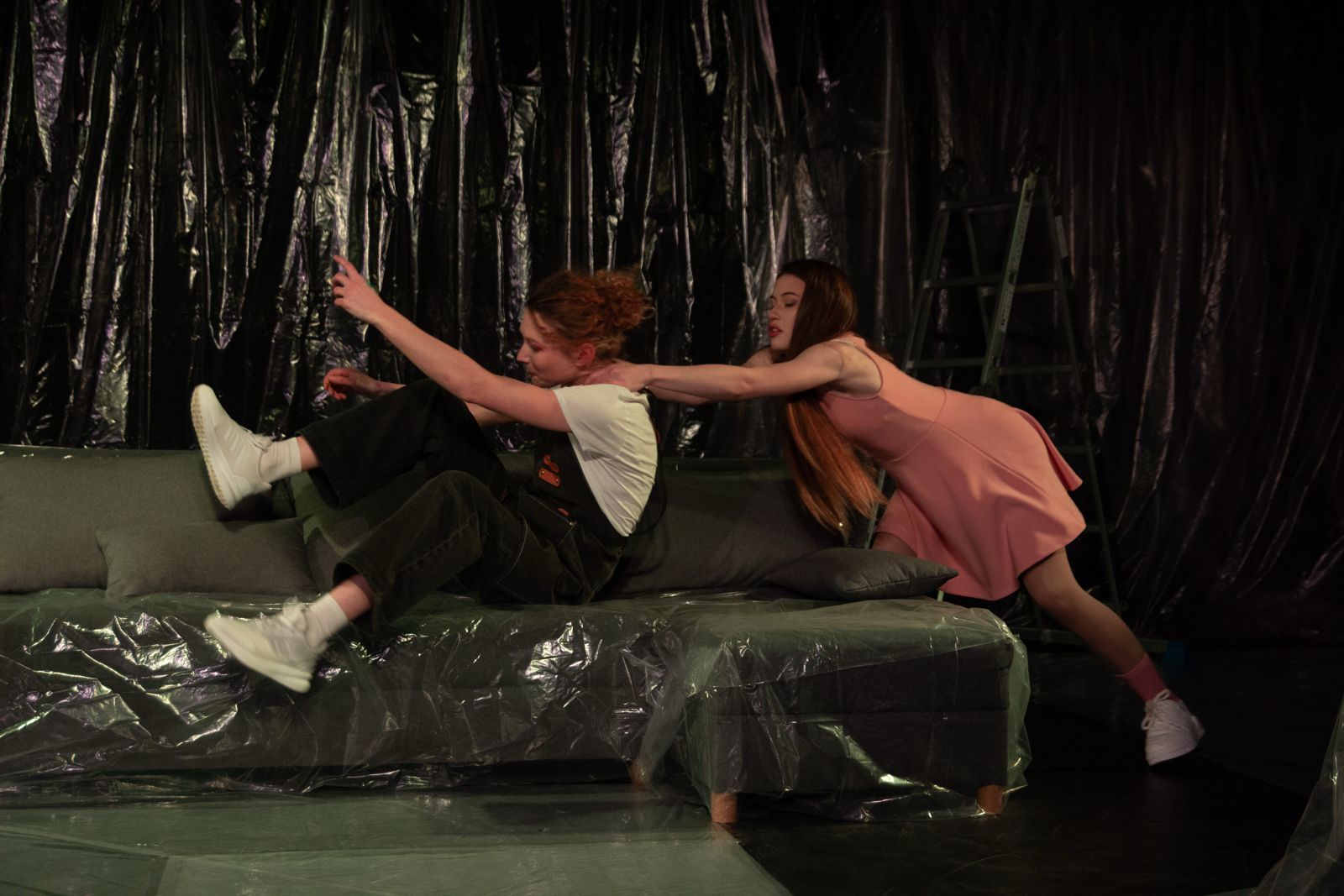
The CulturAll project transformed the testimonies of young migrants into living art. At the end of a process of genuine listening, a small troupe of young Ukrainians created and staged a play at Teatrul Amzei in Bucharest – drawing an audience of nearly 70 young people and bringing to the fore the realities of a generation far from home.
It all began with a simple question: What do you need?
In the European project CulturAll – implemented by the National Youth Foundation (FNT) in partnership with Social Innovation Workshop Foundation from Poland and Action Synergy S.A. from Greece -, this question underpinned the entire methodology. The project set out to promote the social inclusion of young migrants aged 13 to 30, not through programmes designed for them, but built together with them.
The Interviews: Listening Before Acting
Following an intensive Design Thinking training held in Kraków, each partner organisation launched a fieldwork phase: ten in-depth interviews with young migrants from their local communities. The aim was not statistical but empathetic – a deep understanding of each young person’s experiences, barriers, and aspirations, through active listening and genuine respect for their personal stories.
The interviews conducted in Romania surfaced portraits of remarkable human richness. A young person who had migrated from Mykolaiv – a Ukrainian city directly affected by the war – spoke of his desire for cultural connection, of theatre and drawing as forms of inner survival, and of the concrete obstacles of migrant life: an overloaded work schedule, language barriers, difficulties organising daily life, and a persistent feeling of social disconnection.
Another young person, passionate about acting and film production, described the same paradox: talent and energy to give, but little space and little recognition in which to channel them. Language barriers – Ukrainian versus Romanian or English – and the absence of support networks emerged as real obstacles to both professional and social integration.
The data collected during this phase did not remain in folders. It directly informed the design of national pilot programmes, steering teams toward solutions that addressed real needs rather than assumed ones.
From Interview to Stage
Romania chose theatre as its answer. And it chose well.
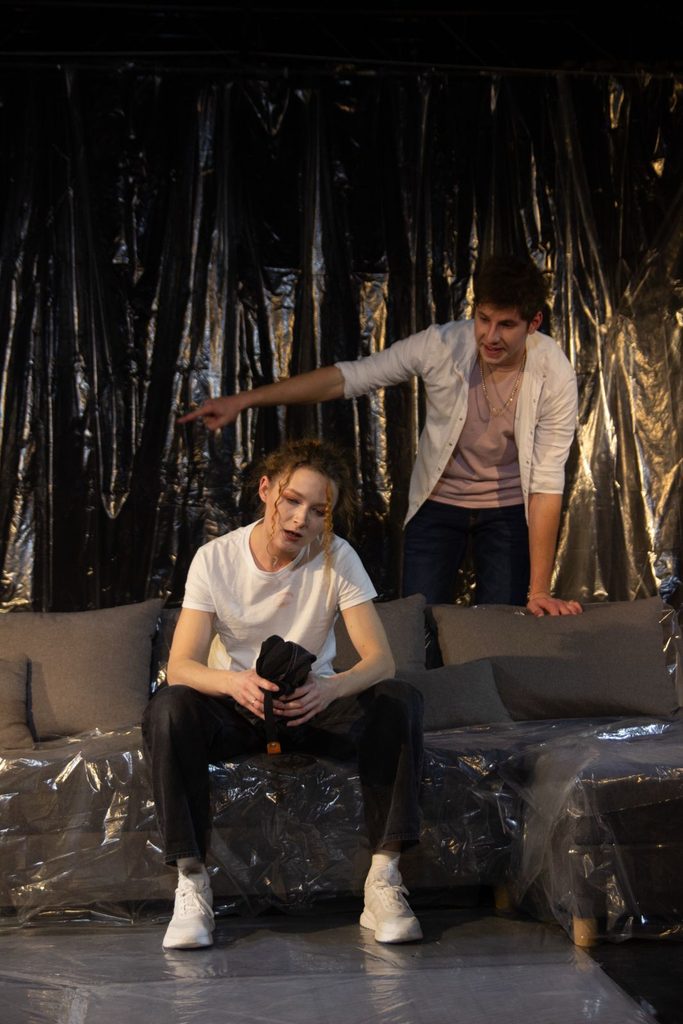
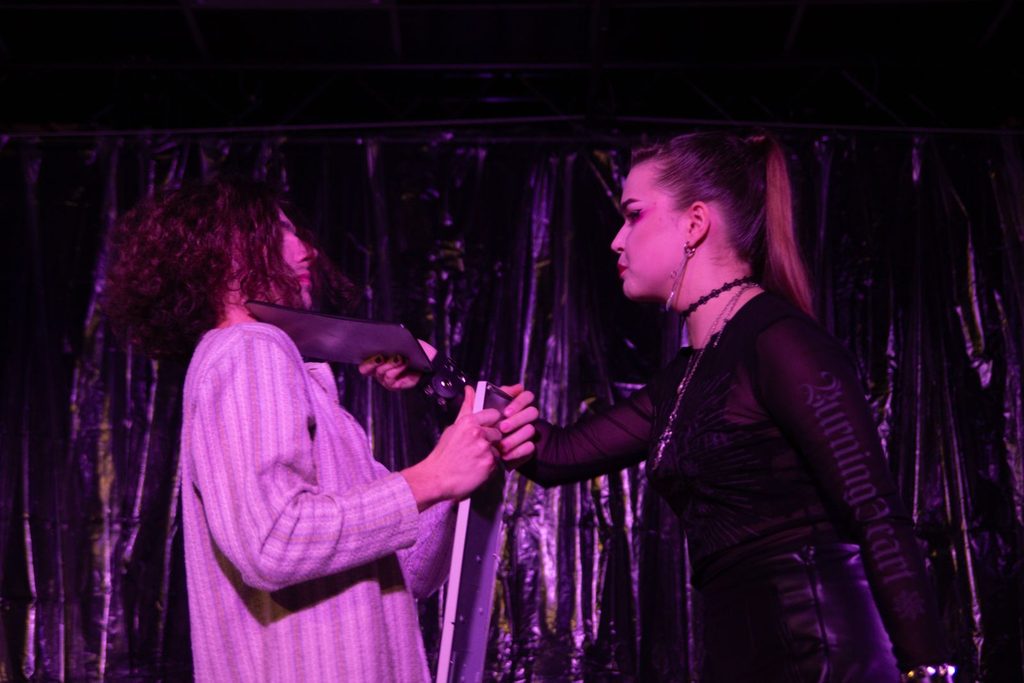
Drawing on the testimonies and aspirations expressed during the interviews, an artistic project took shape around Teatrul Amzei in Bucharest: a play created and staged by the young Ukrainians themselves. Not a play about them, written by others – but one of them, from their perspective, in their voice.
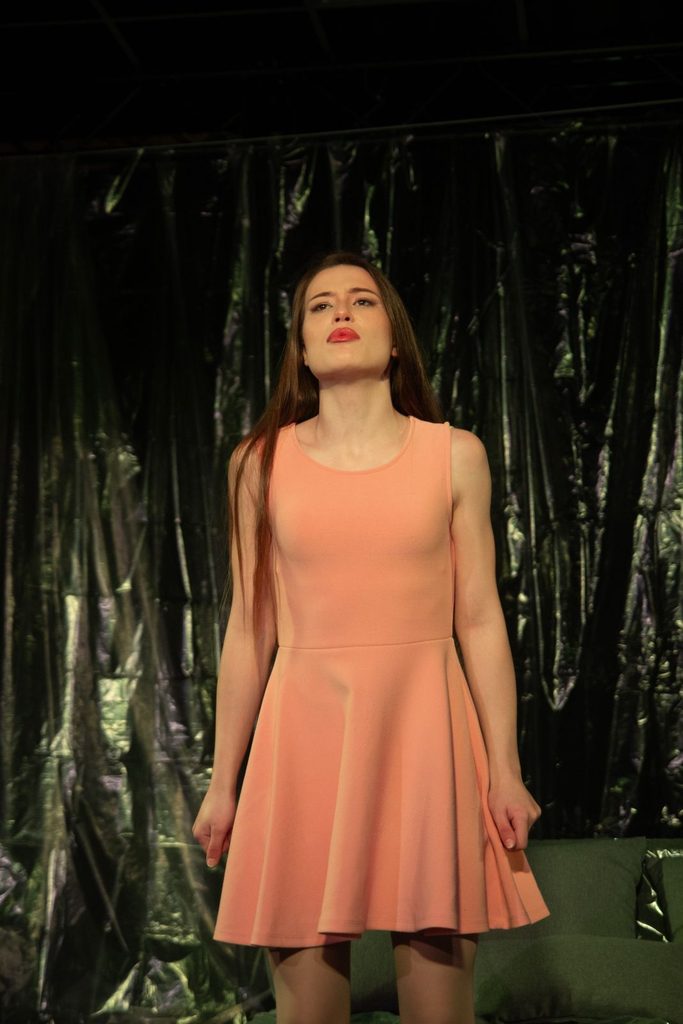
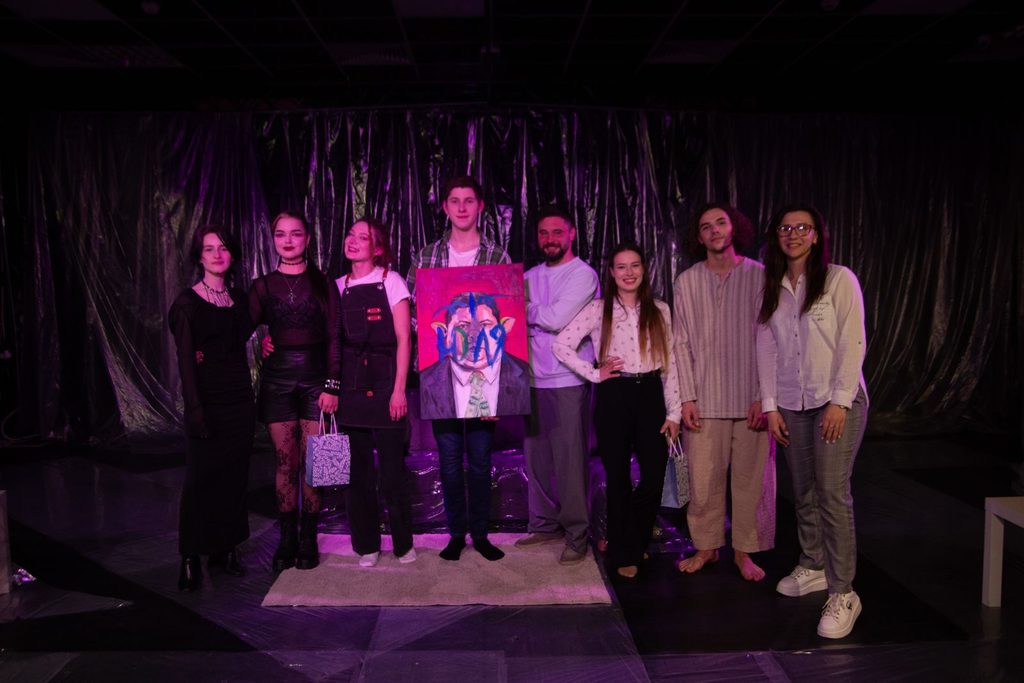
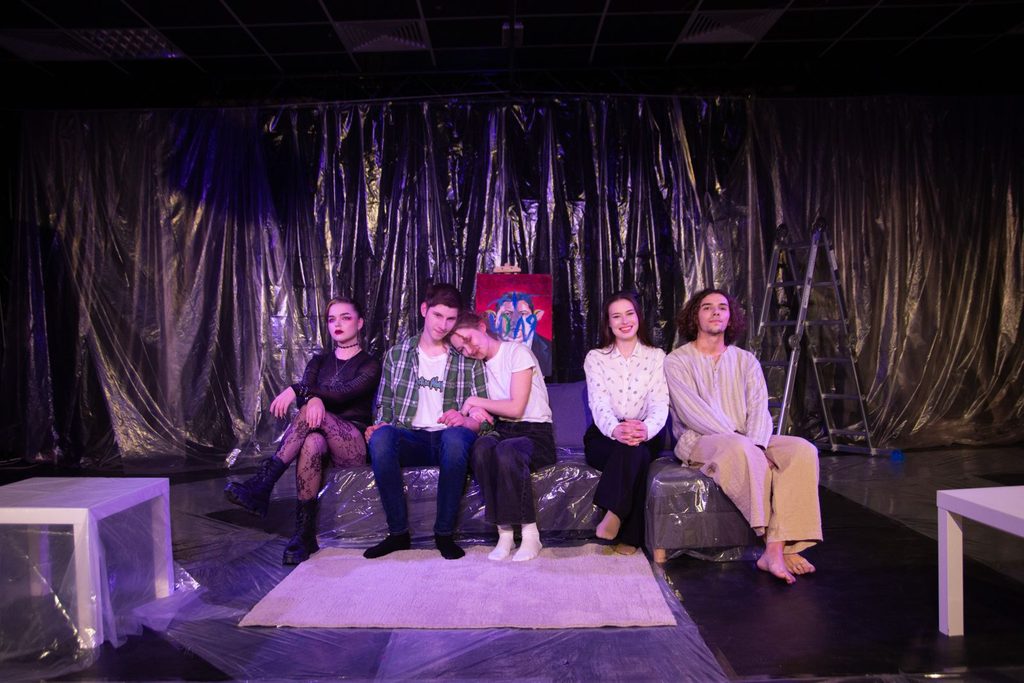
A core group of around 8 young people took on the creative work – writing, directing, and performing the piece. The process itself was an educational intervention: collaboration, communication across different languages, artistic negotiation, and the assumption of roles both on stage and behind the scenes. When the curtain rose, nearly 70 young people filled the audience – a community gathered around a story that was their own.
Teatrul Amzei provided not only the physical space but also the symbolic legitimacy of an established cultural venue in the capital. The fact that young Ukrainians – many of whom had arrived in Romania because of the war – stepped onto this stage and told their story before a live audience was, in itself, an act of inclusion and recognition.
Art as a Bridge
The play at Teatrul Amzei became part of a broader picture of how CulturAll translated Design Thinking methods into concrete cultural experiences: an exhibition of young migrants’ stories hosted at a museum in Gdańsk, Poland, and a podcast festival created by young migrants in Greece, where their voices – with their hardships, hopes, and successes – reached audiences directly.
Each of these three forms – theatre, exhibition, podcast – demonstrates the same truth: that social inclusion does not mean tolerance, but genuine participation. That a community is not built from compassion, but from co-creation.
CulturAll is an Erasmus+ project implemented by the National Youth Foundation – FNT (Romania), Social Innovation Workshop Foundation (Poland), and Action Synergy S.A. (Greece).