

What does it take to feel that a cultural institution is also your place?
This question was at the heart of CulturAll. Instead of starting with ready-made activities, we wanted to begin by listening. Across Poland, Greece and Romania, we spoke with young people with migration experience about belonging, participation, barriers and the ways they relate to local cultural life. In Poland, these conversations eventually led to a very simple but powerful idea: a shared tablecloth.
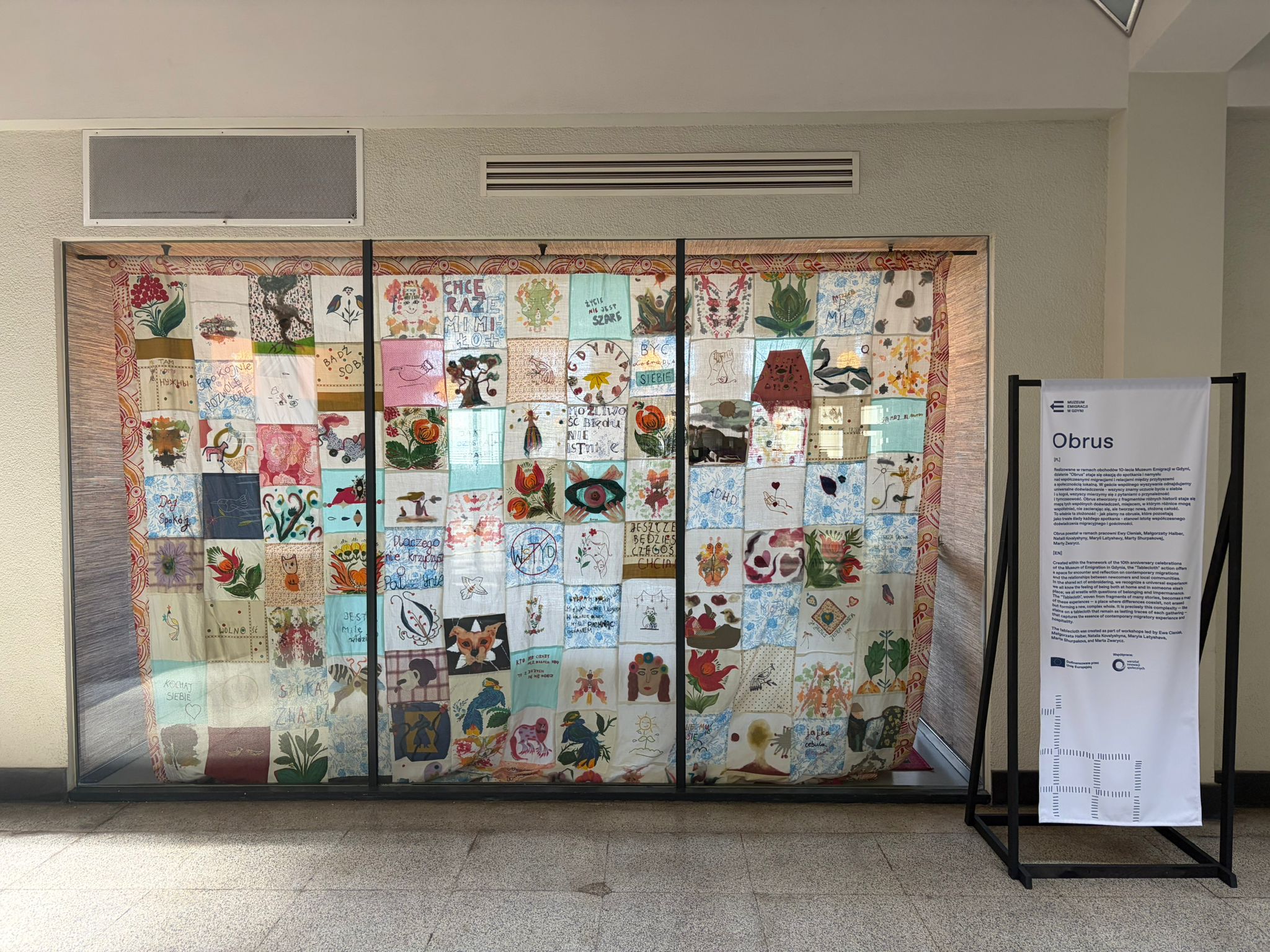
The Polish pilot, developed together with the Emigration Museum in Gdynia, was called “Obrus” – the Polish word for tablecloth. The idea came from something familiar across cultures: sitting around a table, meeting others, sharing food, stories and space. A tablecloth became a metaphor for being both a guest and a host, for bringing something of your own while becoming part of something shared.
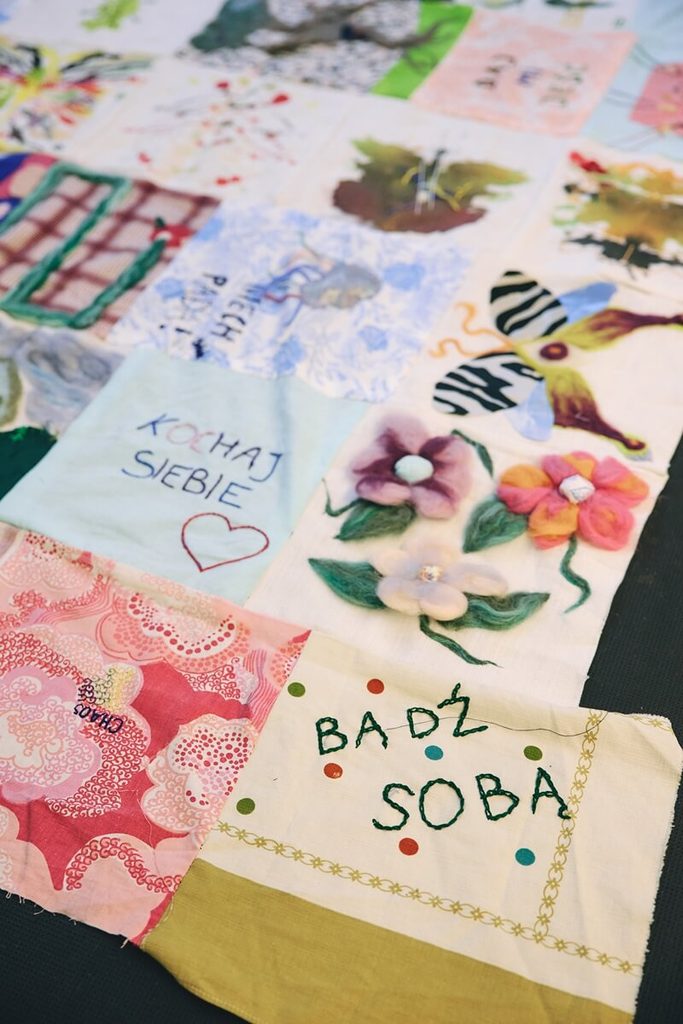
During February and March 2026, four participatory workshops were organised in Gdynia and Sopot. Around 70 people took part, while seven people were directly involved in organising and facilitating the activities. Participants decorated individual pieces of fabric using images, words, symbols and personal associations. These separate pieces were later joined together into one large collective artwork.
But the most important part was not the final object. It was the process.
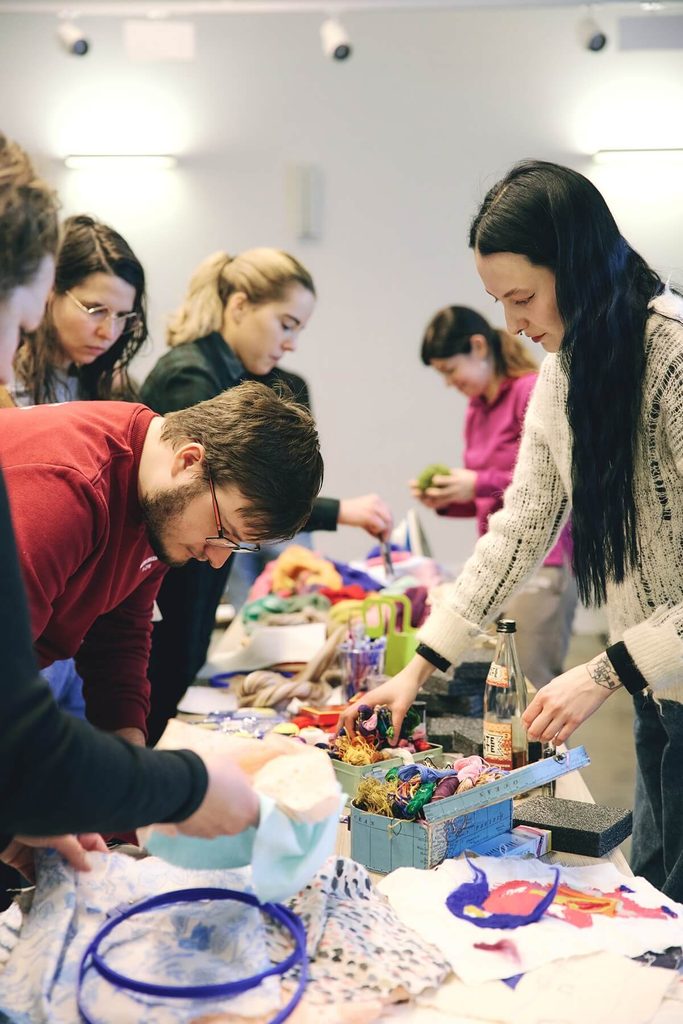
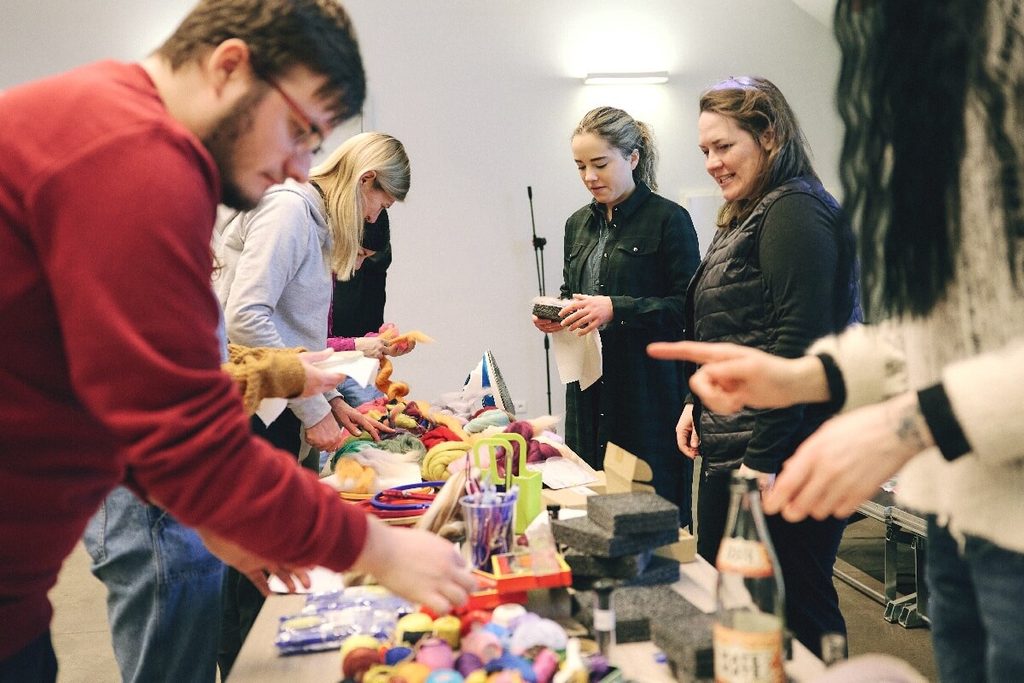
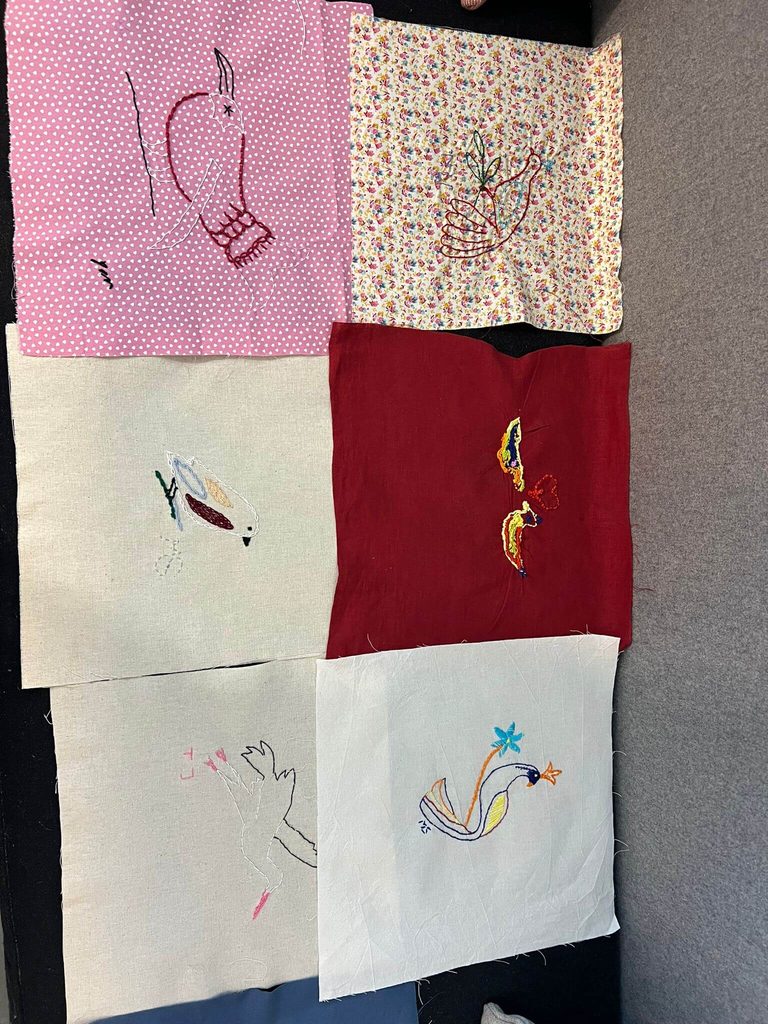
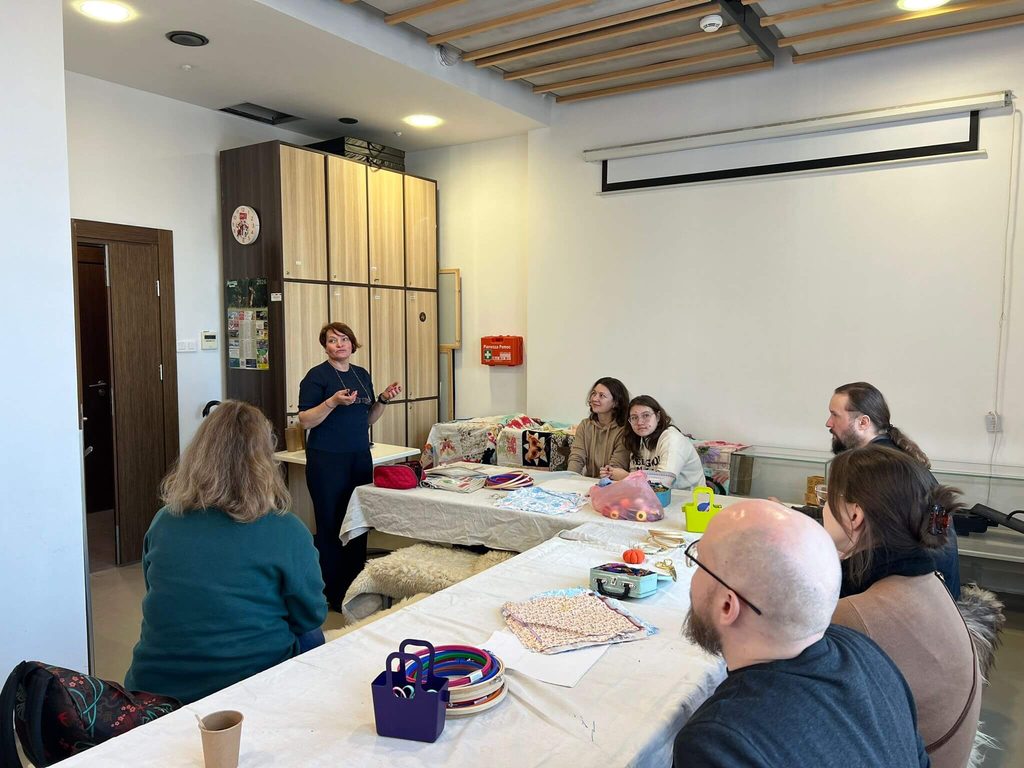
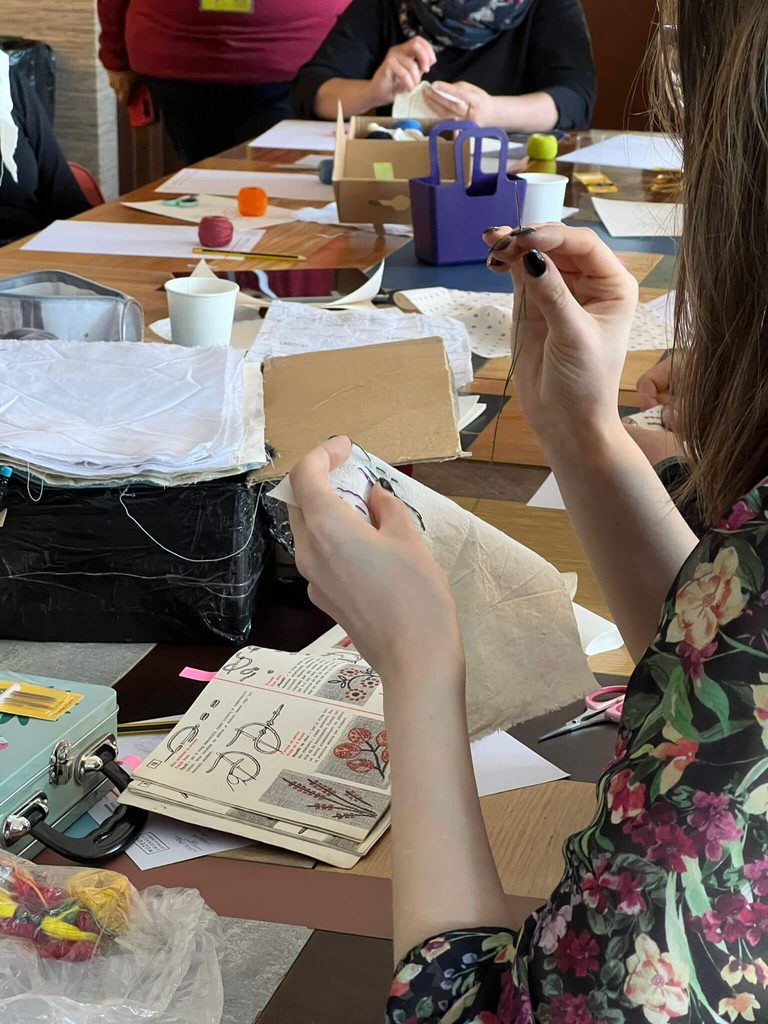
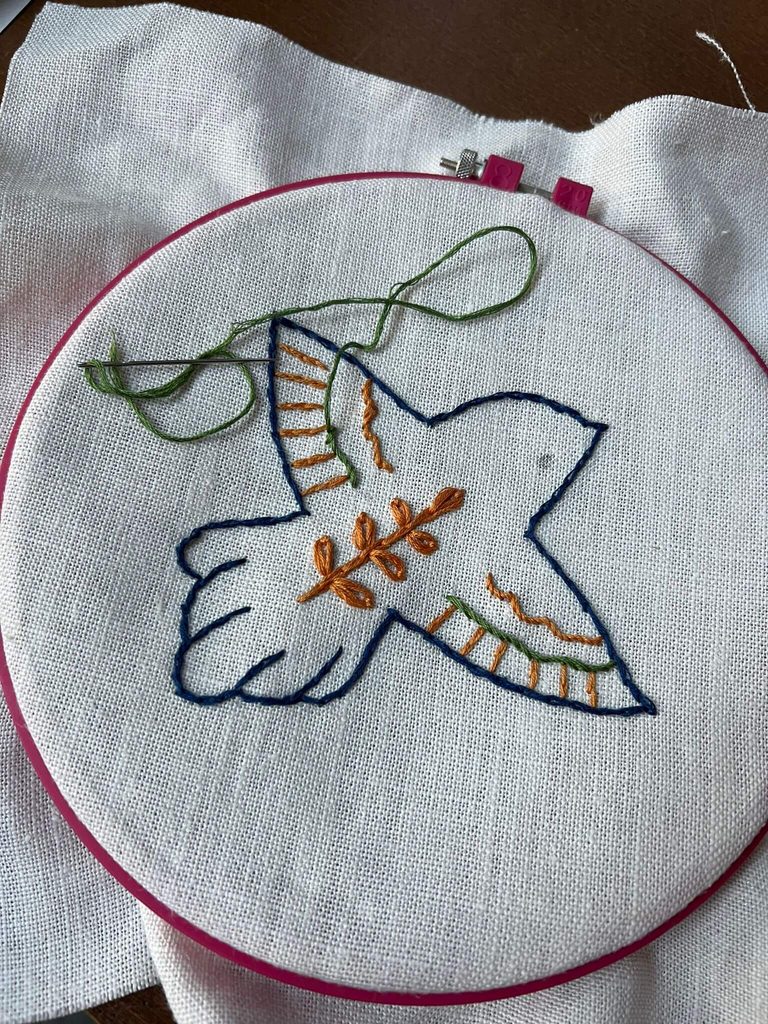
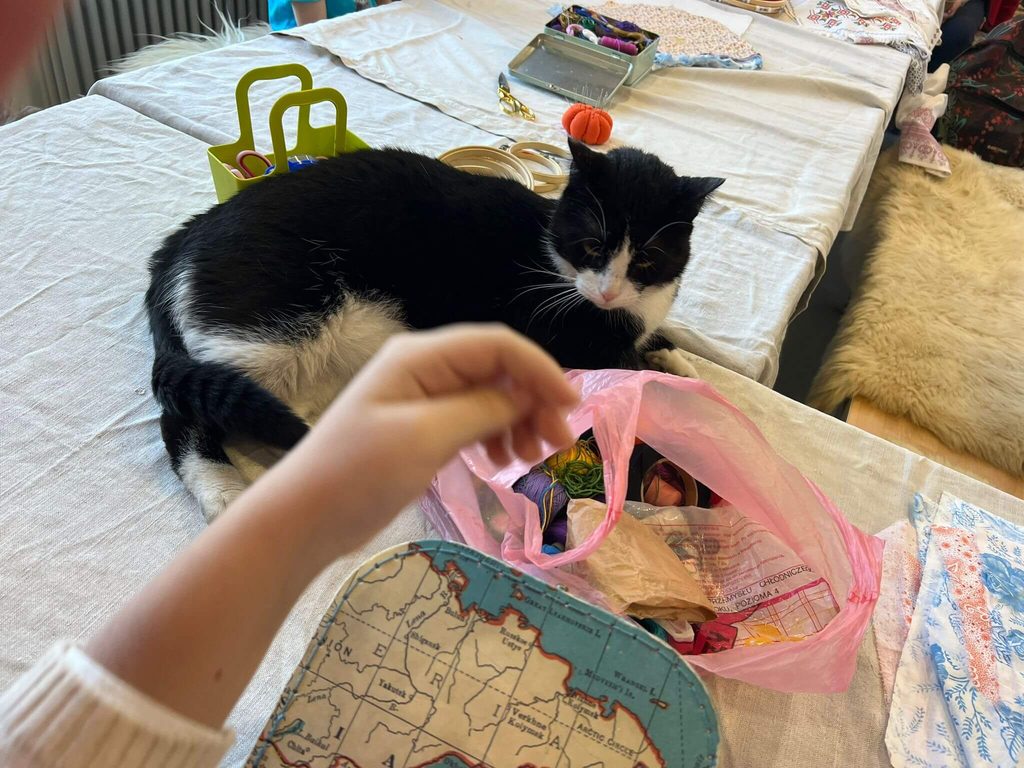
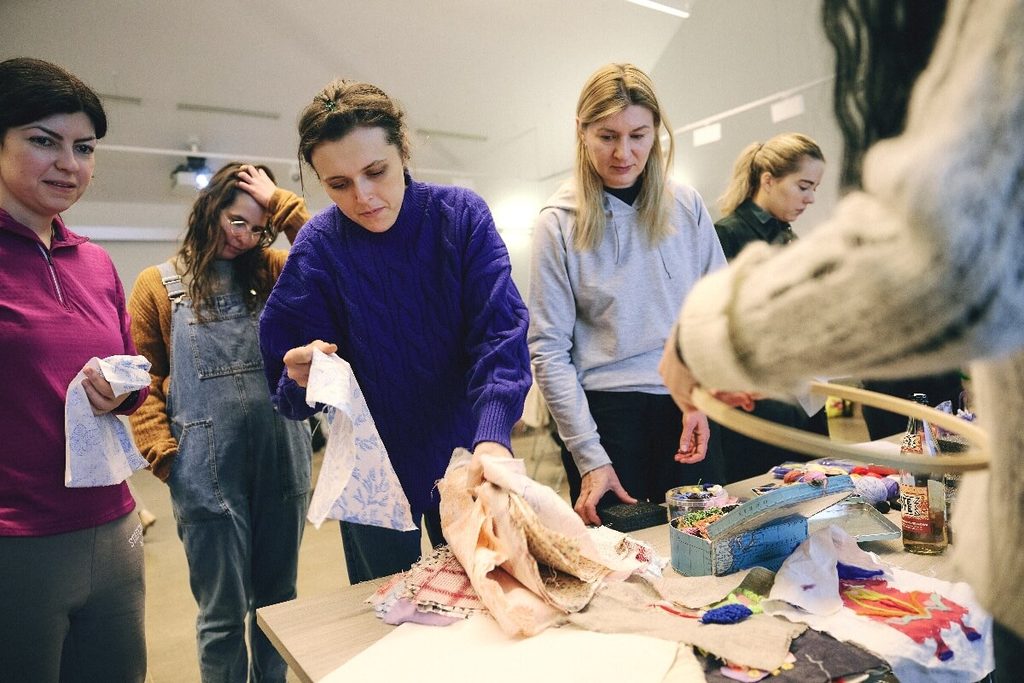
Some of the people involved in the workshops had already participated in CulturAll interviews earlier in the project. They returned not simply as research participants, but as facilitators, organisers and co-creators. This continuity was important to us: young people were not only asked about their needs, but were given space to shape what happened next.
The completed “Obrus” was displayed in the main hall of the Emigration Museum. Between 29 April and approximately mid-June, the museum welcomed around 23,600 visitors, giving the project a visibility far beyond the workshop groups themselves. The artwork later travelled further and was also presented at HEVRE in Kraków.
For us, “Obrus” became a practical example of what CulturAll was trying to achieve. Inclusion does not necessarily begin with creating a completely new programme for people with migration experience. Sometimes it begins with creating the conditions in which people can bring their own stories, ideas and identities into an existing space – and genuinely influence what is created there.
The Polish pilot also showed that co-creation does not need to be complicated. A piece of fabric, a table and a good invitation can become a starting point for conversations about migration, identity, home and belonging.
And perhaps that is the most important lesson we are taking from CulturAll: people are much more likely to feel that a place belongs to them when they have had a chance to leave something of themselves in it.